As countries around the world struggle to deliver equitable healthcare within correctional systems, penitentiary telemedicine has emerged as a powerful solution to reduce costly medical transfers, improve clinical outcomes, and ensure continuity of care for incarcerated populations. Building on a successful model piloted in Armenia, Vickino experts are now exploring how this approach can be replicated in North Macedonia, the Balkans region and beyond.
Lessons from Armenia’s National Telemedicine Rollout
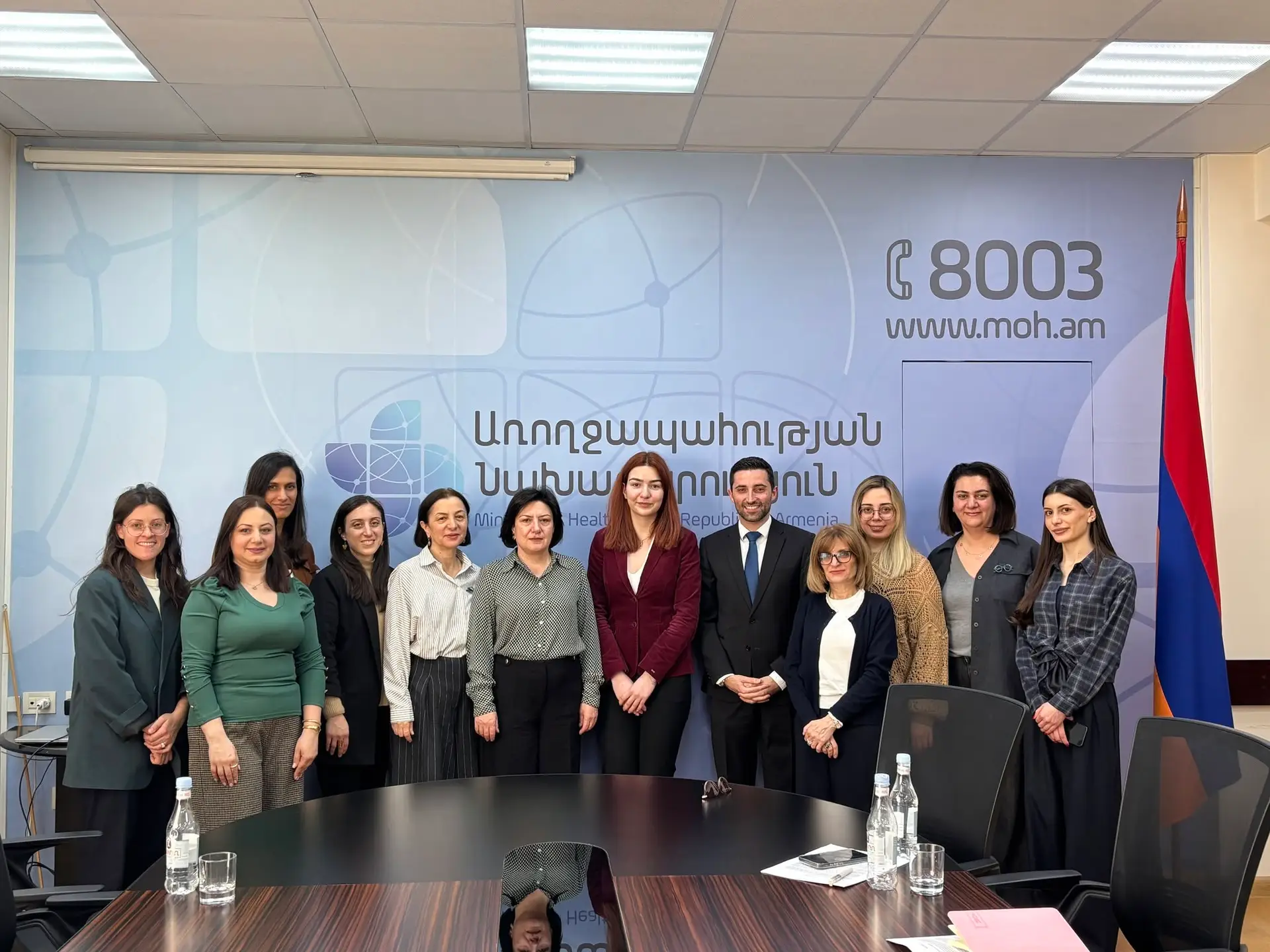
In Armenia, telemedicine services were introduced into the penitentiary healthcare system with the support of the Council of Europe, under the Action Plan for Armenia 2023–2026. The initiative focused on connecting prison health units with civilian hospitals to enable specialist consultations, chronic disease management, and faster medical responses through teleconsultation technology addressing longstanding gaps in access to care for persons deprived of liberty.
Between September and November 2025, assessments and on‑site mentoring were conducted across 10 penitentiary healthcare units, helping prepare facilities for full telemedicine deployment and integrating new financial and regulatory frameworks to sustain the model. With eight major civilian hospitals now part of Armenia’s penitentiary telehealth network, the system provides a scalable and sustainable framework that bridges correctional and community healthcare, improves efficiency, and enhances quality of care for inmates.
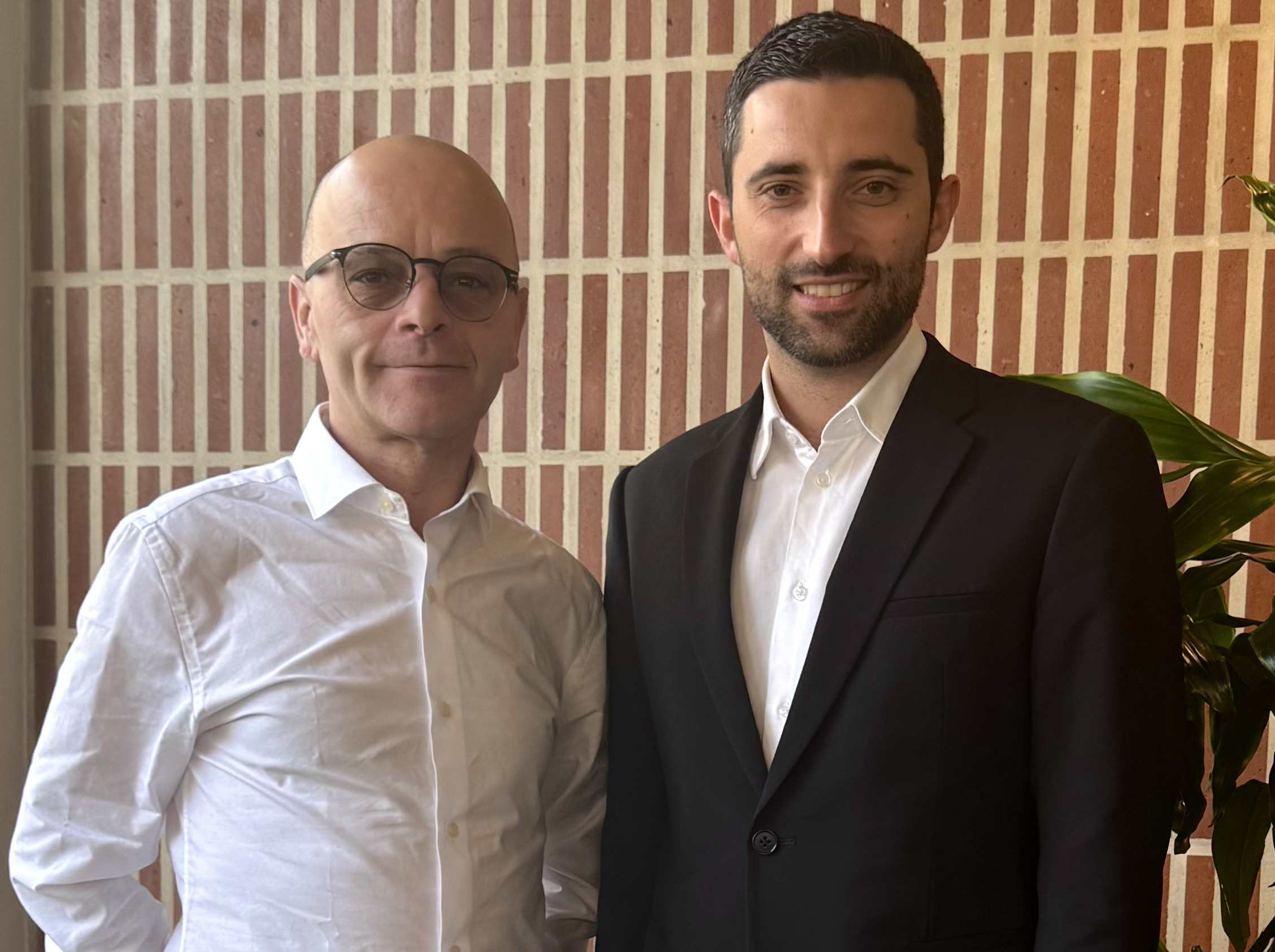
This project lead by the Council of Europe, with the expert support of Vickino and Dr Vicken Ohannessian global experience in telemedicine, encouraged the Ministry of Health to provide reimbursement for teleconsultations within the public health insurance system. This is the first ever reimbursed telehealth modality in Armenia, and therefore a major innovation made possible through longstanding efforts of Vickino.
North Macedonia: National Audit and Feasibility Study
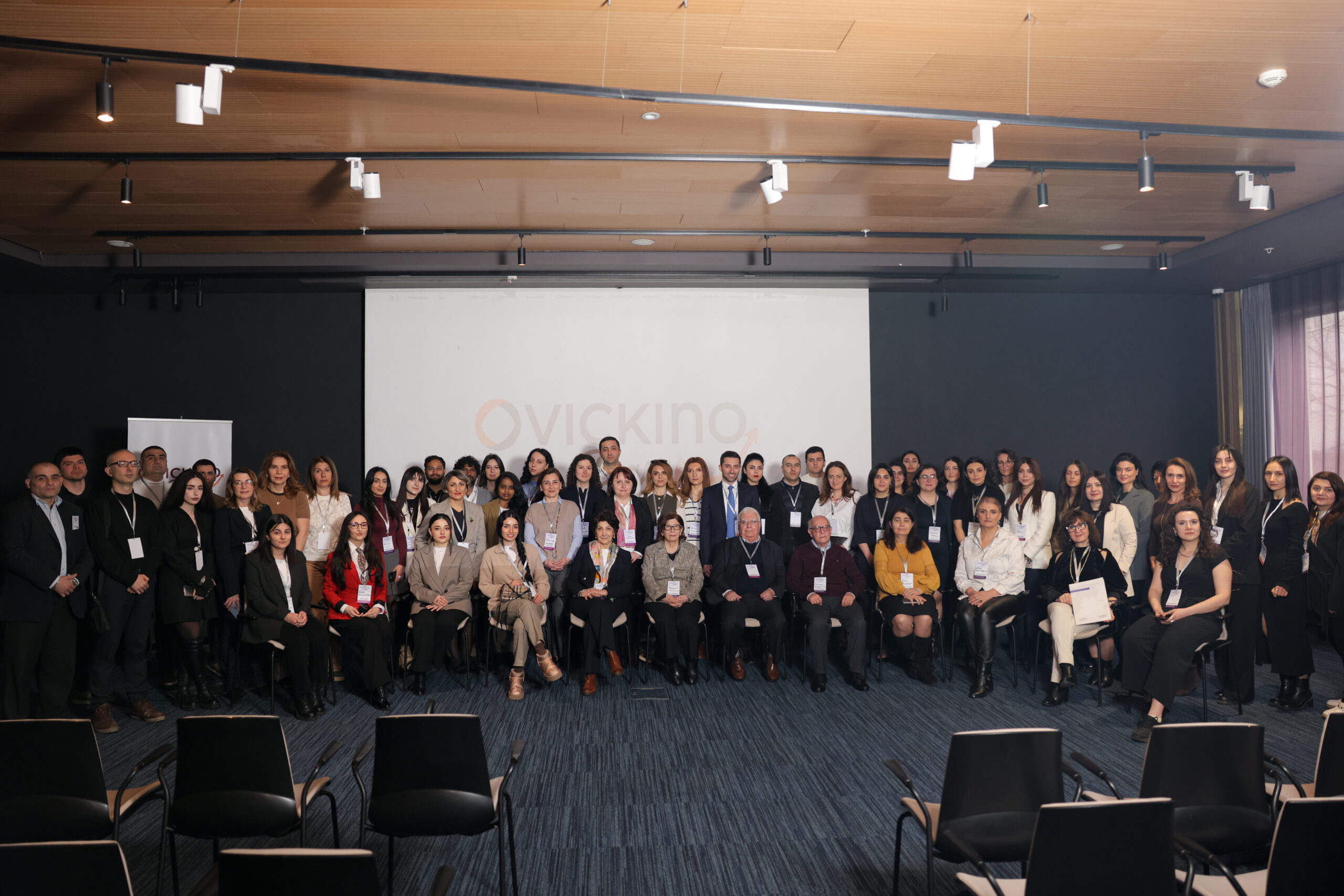
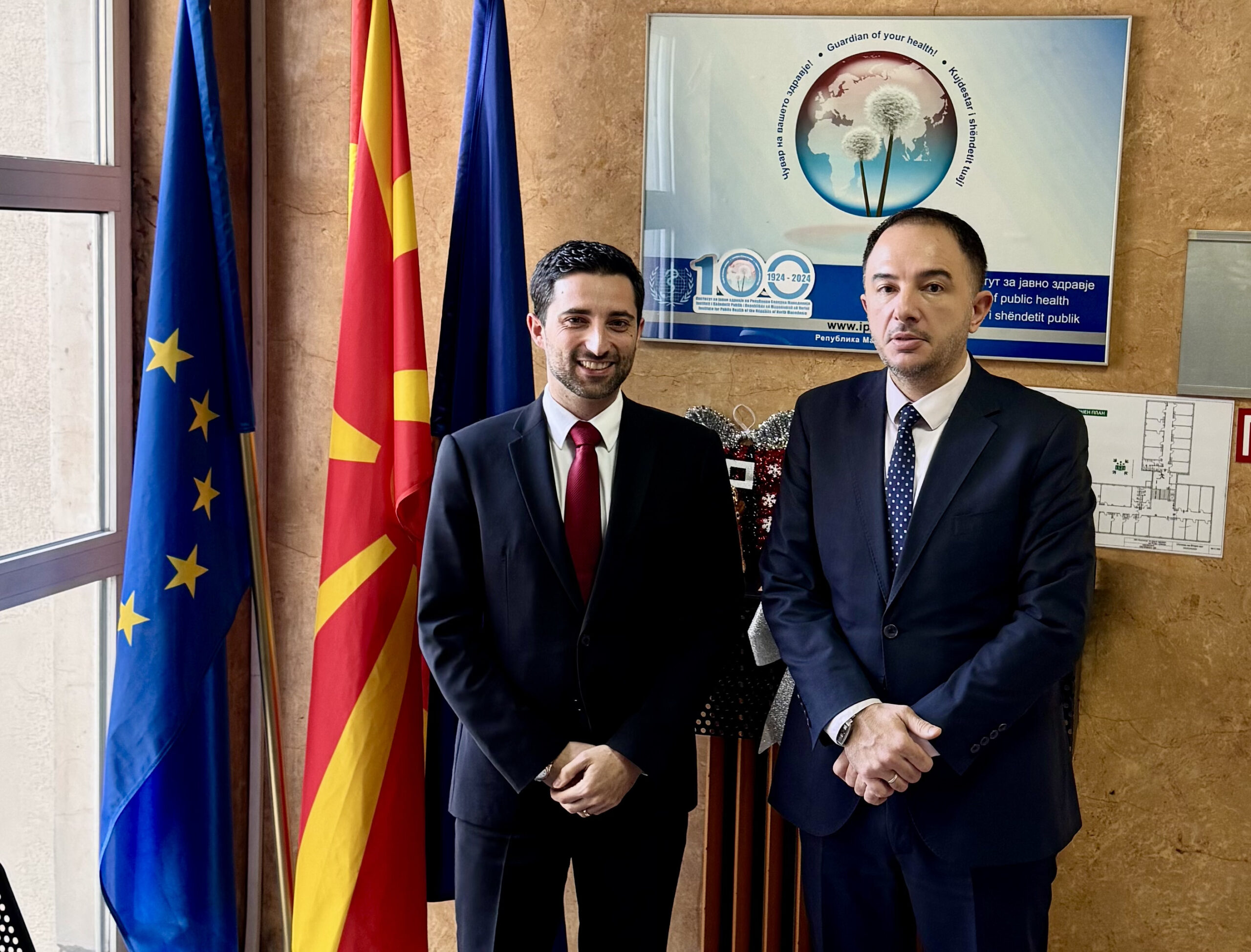
Building on this proven experience, Vickino was invited in December 2025 by the Council of Europe to conduct the first national feasibility audit on penitentiary telemedicine in North Macedonia. The mission, undertaken in collaboration with local health authorities including the Ministry of Health and the Ministry of Justice, assessed the feasibility of implementing a similar national telemedicine program for prison healthcare. Drawing on Armenia’s implementation lessons, from infrastructure readiness to clinical workflow integration and policy frameworks, this audit represents an important step toward shaping North Macedonia’s digital health strategy for incarcerated populations.
Why Penitentiary Telemedicine Matters Globally
Today, most countries lack dedicated telemedicine services in their prison systems, resulting in:
- Costly medical escorts for specialist care
- Delays in managing acute and chronic conditions
- Fragmented continuity of care
- These challenges not only strain public health budgets but also undermine health outcomes for inmates, a population with complex medical needs. Telemedicine offers a scalable, secure, and patient‑centered alternative by enabling remote diagnoses, specialist consultations, and continuity of care without unnecessary transfers. This model is particularly relevant for regions with dispersed populations, limited specialist access, or high transportation costs.
Given its proven impact in Armenia, Vickino’s penitentiary telemedicine methodology can be replicated in the GCC, Central and South‑East Asia, Eastern Europe, and Africa, where similar healthcare delivery challenges persist.
Vickino’s Role as a Prison Health Innovation Catalyst
As a health innovation advisory firm and system transformation catalyst, Vickino supports governments and health authorities in designing, evaluating, and scaling advanced digital health solutions for prison medicine. By bridging global best practices with local implementation needs, Vickino is helping to put patient‑centric, technology‑driven healthcare at the forefront of corrections health services, not only in Armenia and North Macedonia but across regions seeking sustainable, effective telemedicine solutions.